Friday, November 15, 2024

Atotech Modern Cleaners: Shaping the future of sustainable industrial cleaning

This blog post explores the advancements in sustainable industrial cleaning, focusing on Atotech's modern cleaners that operate at lower temperatures, reduce environmental impact, and enhance cleaning efficiency. It discusses the types of cleaners, their compositions, and the innovative two-component system designed for better performance and sustainability.

In today's industrial landscape, the need for sustainable cleaning solutions is more pressing than ever. This blog post delves into the advancements made by Atotech in the realm of industrial cleaning, particularly focusing on their modern cleaners that are shaping the future of sustainable practices in the industry.

Overview of the Webinar

The webinar, moderated by Katarina, featured Neil Patton, a seasoned expert with over 30 years of experience in chemical processes and technology. Neil provided insights into the evolution of cleaning solutions, particularly soak cleaners for metal substrates, and discussed the benefits of modernizing these processes.

Types of Cleaners

Neil outlined several types of cleaners, emphasizing immersion cleaners, which are the focus of the discussion. The main categories include:

  • Emulsifying and Demulsifying Cleaners: These cleaners either mix with oils or separate them from surfaces.
  • Electrolytic Cleaners: Utilize electrical currents to enhance cleaning.
  • Spray Cleaners: Apply cleaning solutions through spraying.
  • Ultrasonic Cleaners: Use high-frequency sound waves to agitate the cleaning solution, improving cleaning efficiency.

Composition of Soak Cleaners

Soak cleaners are primarily composed of three components:

  1. Builders: Such as sodium hydroxide and potassium hydroxide, which enhance cleaning efficiency.
  2. Surfactants: These reduce surface tension, allowing for better penetration and removal of contaminants.
  3. Additives: Various chemicals that provide additional functionalities, such as chelating agents that bind to metals and prevent them from re-depositing.

Modernizing Cleaning Processes

Challenges with Traditional Cleaners

Traditional soak cleaners often operate at high temperatures, which can lead to increased energy consumption and a larger carbon footprint. Additionally, many older raw materials used in these cleaners are now restricted due to environmental concerns.

The Two-Component System

To address these challenges, Atotech has developed a two-component system:

  • Builder Package (Uniclean B): Contains the alkaline components necessary for effective cleaning.
  • Additive Package (Uniclean A): Comprises surfactants and other additives that enhance cleaning performance.

This system allows for greater flexibility in formulation, enabling users to adjust the cleaning solution based on specific applications while minimizing environmental impact.

Benefits of the New Process

The new ultra-low temperature cleaner operates effectively at 35°C, significantly reducing energy costs and CO2 emissions. Key benefits include:

  • Improved Cleaning Efficiency: The new formulations have shown better performance in removing various types of oils compared to traditional cleaners.
  • Longer Bath Lifetimes: By effectively degrading oils during operation, the need for frequent replacements is reduced, leading to lower operational costs.
  • Environmental Sustainability: The formulations avoid harmful substances, aligning with modern environmental regulations and practices.

Testing and Benchmarking

Neil discussed various testing methods used to evaluate the effectiveness of the new cleaners, including:

  • Gravimetric Testing: Measuring weight loss of contaminants before and after cleaning.
  • Water Break Tests: Assessing the ability of water to spread on a surface, indicating cleanliness.
  • Copper Immersion Tests: Evaluating the uniformity of copper deposition on cleaned parts.

These tests ensure that the new cleaners meet the stringent requirements of the metal finishing industry.

Conclusion

The advancements in Atotech's modern cleaners represent a significant step towards sustainable industrial cleaning. By focusing on lower operating temperatures, improved formulations, and environmentally friendly practices, Atotech is setting a new standard in the industry. The future of industrial cleaning is not only about efficiency but also about responsibility towards our environment.

Q&A Session Highlights

During the Q&A session, Neil addressed several questions, including:

  • The flexibility of using the ultra-low temperature process at higher temperatures for specific applications.
  • Methods for controlling and replenishing the cleaning bath.
  • Compatibility of ultrasonic support with the new low-temperature cleaners.

In summary, Atotech's commitment to innovation in cleaning technology is paving the way for a more sustainable future in industrial cleaning practices.

For more details and purchase Atotech Products  contact Email: info@essesstrading.in Mobile: 9843019701
Wednesday, November 13, 2024

Interlox 5707

This guide provides a step-by-step process for preparing a 100 liter solution of Interlox 5707, including necessary materials, mixing instructions, and filtration recommendations.

Preparing a solution of Interlox 5707 requires careful attention to detail and adherence to specific guidelines. This article outlines the steps necessary to create a 100 liter solution effectively.

Materials Needed

  • A clean tank suitable for mixing
  • Water (approximately 80 liters)
  • Interlox 5707 (2.0 liters or 2.15 kg)
  • 25-micron polypropylene filter media

Step-by-Step Preparation

Step 1: Select a Suitable Tank

Choose a clean tank that can hold at least 100 liters of solution. Ensure that the tank is free from contaminants that could affect the quality of the solution.

Step 2: Fill the Tank with Water

Fill the tank with water up to 80% of its working volume, which is approximately 80 liters. This initial water volume is crucial for the mixing process.

Step 3: Add Interlox 5707

Measure out 2.0 liters or 2.15 kg of Interlox 5707. Carefully add this amount to the tank containing the water. It is important to mix well to ensure that the Interlox 5707 is fully dissolved in the water.

Step 4: Adjust the Solution Level

After mixing, adjust the solution level to reach the final working volume of 100 liters. This may involve adding more water to the tank.

Step 5: Check Temperature

Ensure that the solution temperature is within the recommended operating range. This is vital for the effectiveness of the Interlox 5707 solution.

Step 6: Verify Acid Points and pH

Check the total acid points and pH of the solution. Adjust these parameters as needed to meet the required specifications for your application.

Step 7: Final Checks

Before using the solution, make sure to check for any specific conditions or requirements that may apply based on your local water quality and the contents of the previous tank. This ensures optimal performance of the solution.

Filtration Recommendations

For best results, it is recommended to use a 25-micron polypropylene filter media. This type of filter is suitable for most applications and is particularly suggested for high volume steel lines.

For comprehensive filtration equipment, you can contact Excel Laboratories for all types of filtration equipment, including filter bags and pumps. Their mobile number is 9843019701.

Mastering Aluminum alloy preparation for electroless and electroplating


Contact ESS ESS TRADING .Email: info@essesstrading.in  Mobile: 9843019701

This blog post covers the essential aspects of aluminum alloy preparation for electroless and electroplating, including the properties of aluminum, pre-treatment processes, and the importance of cleaning and etching to ensure optimal adhesion and performance of coatings.

In this blog post, we will explore the intricate processes involved in preparing aluminum alloys for electroless and electroplating. The webinar presented by Dr. Alexandra Yenko and Shakil Akar provides valuable insights into the properties of aluminum, the significance of pre-treatment processes, and the steps necessary to achieve optimal results in surface finishing.

Properties of Aluminum Alloys

Aluminum and its alloys are widely used across various industries due to their unique physical properties. Some key characteristics include:

  • Malleability: Aluminum can be manufactured into complex geometries, making it ideal for components like fuel pumps and turbocharger wheels.
  • Electrical Conductivity: Its excellent conductivity allows for applications in bus bars and connectors.
  • Lightweight and Ductile: Aluminum is soft, light, and malleable, enabling the production of intricate parts.
  • Corrosion Resistance: The oxide layer on aluminum surfaces provides significant corrosion resistance.
  • Non-Magnetic: This property is crucial for specific applications where magnetic interference must be avoided.

Types of Aluminum Alloys

Aluminum alloys are categorized based on their alloying elements:

  • 1000 Series: Nearly pure aluminum.
  • 2000 Series: Copper alloys, enhancing strength and machinability.
  • 3000 Series: Manganese for better formability.
  • 4000 Series: Silicon.
  • 5000 Series: Magnesium for improved hardness and corrosion resistance.
  • 6000 Series: Magnesium and silicon.
  • 7000 Series: Zinc.
  • 8000 Series: Other alloying elements like lithium.

Importance of Pre-Treatment Processes

Before plating, it is crucial to clean the aluminum substrate to remove contaminants that can affect the final finish. Contaminants may include:

  • Grinding compounds
  • Polishing compounds
  • Metalworking lubricants
  • Welding and brazing fluxes

Cleaning and Etching

Effective cleaning is essential to ensure a uniform surface for plating. The cleaning process can involve:

  • Chemical Cleaning: Using solutions tailored to the type of contamination.
  • Electrochemical Cleaning: Enhancing the removal of contaminants through electrochemical reactions.

After cleaning, the etching process is vital to remove oxides and prepare the surface for better adhesion. This typically involves:

  • Alkaline Etching: Using sodium hydroxide to dissolve aluminum while leaving alloying elements intact.
  • Acidic Etching: Sometimes used in conjunction with alkaline processes to achieve desired surface roughness.

Dismutting

Following etching, dismutting is necessary to remove any residual smut created during the etching process. This step ensures a clean surface free from insoluble materials that could hinder plating.

Zincate Process

To prevent reoxidation of the aluminum surface after cleaning and etching, a zincate process is employed. This involves:

  • Zinc Deposition: A thin layer of zinc is deposited onto the aluminum surface through a displacement reaction, which helps to inhibit further oxidation.
  • Double Zincate Coating: For improved adhesion, especially in electroless nickel plating, a double zincate process is recommended.

Nickel Strike

The nickel strike process is crucial for aluminum plating as it:

  • Dissolves Aluminum: A thin layer of nickel phosphorus is deposited on the freshly exposed aluminum surface.
  • Extends Bath Life: Helps to manage zinc contamination levels in subsequent plating baths, ensuring better adhesion and performance.

Rinsing Steps

Rinsing is a critical yet often overlooked step in the plating process. Proper rinsing between each treatment step is essential to prevent contamination and ensure the longevity of the plating bath. Key considerations include:

  • Flow Rates: Adequate circulation of rinse water to remove residual chemicals.
  • Temperature Control: Keeping rinse water at appropriate temperatures to avoid corrosion.
  • Transfer Times: Minimizing the time parts spend in rinse water to reduce the risk of oxidation.

Conclusion

In summary, mastering the preparation of aluminum alloys for electroless and electroplating involves understanding the properties of aluminum, implementing effective pre-treatment processes, and ensuring thorough cleaning and etching. With over four decades of experience, companies like Atotech provide tailored solutions to optimize these processes for various aluminum alloys, ensuring the best possible adhesion and performance of coatings. For further assistance, companies can offer recommendations and sample plating services to meet specific application needs. 

We at ESS ESS TRADING provide complete service and supply of chemicals in India . Contact us : Email: info@essesstrading.in  Mobile: 9843019701

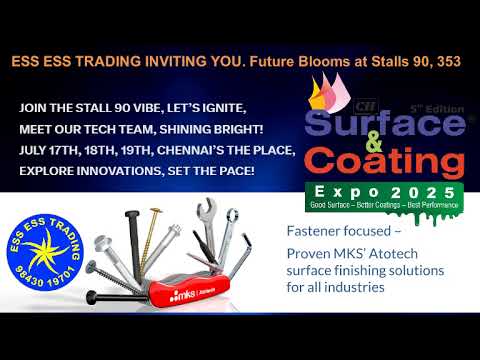
ESS ESS TRADING inviting to Surface Coating Expo 2025

                   We are pleased to invite you to CII India Surface Coating Show 2025, which will take place at the Chennai Trade Centre, C...